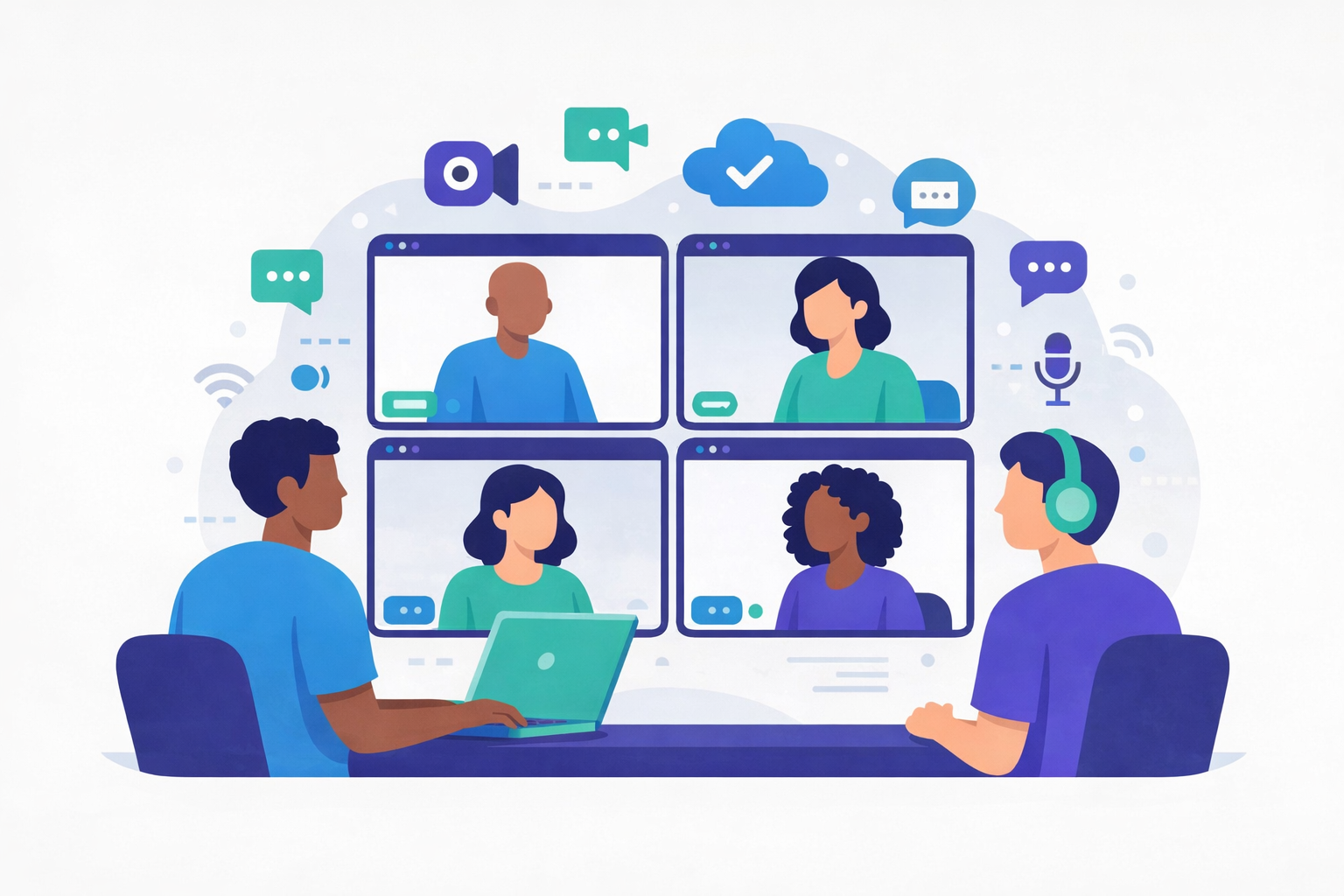
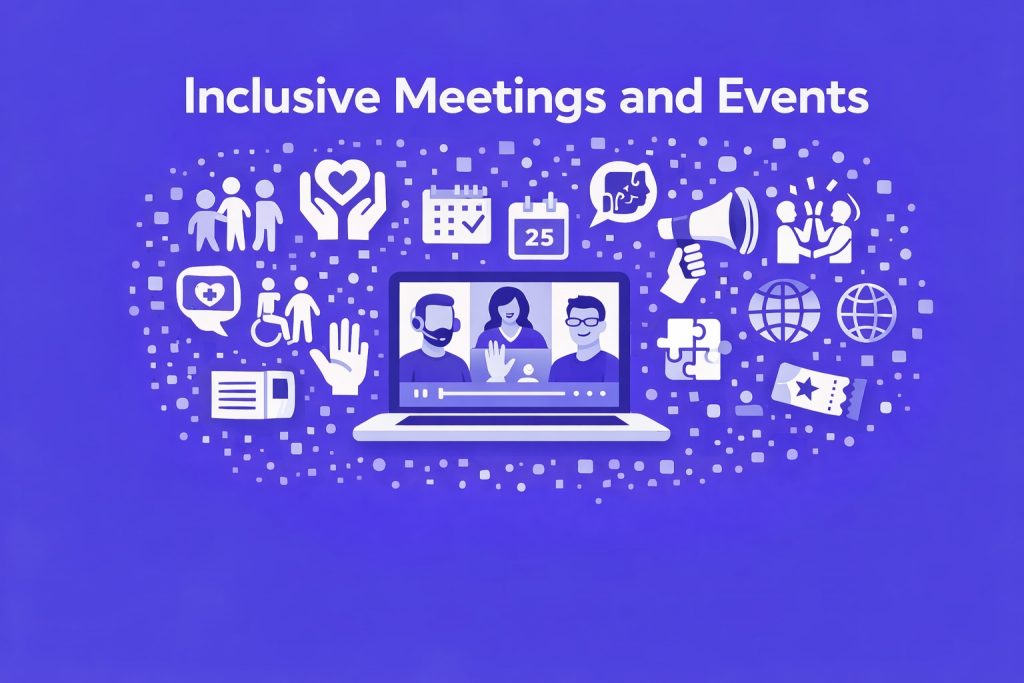
Providing live captions, sharing accessible materials, and ensuring physical access are simple steps but their effects are profound. Captions, for example, do not only help Deaf and hard of hearing attendees but can improve comprehension, participation and support in busy environments or for speakers of English as a second language. Social value flourishes in gatherings where everyone feels heard and respected; inclusive meetings not only enhance collaboration but also foster innovation and drive better decision-making. In hybrid events, the use of adaptive technologies ensures that all voices, regardless of location or ability, can contribute, amplifying the collective intelligence of the group.
Forms – Asking About Accessibility Requirements in Meetings and Events
Gathering accessibility needs early so every attendee can take part confidently.
Bookings – Sharing and Encouraging Sharing of Accessibility Information
Using Bookings pages and emails to communicate accessibility information clearly.
Using Microsoft Teams Accessibly and to Boost Event Accessibility
Applying Teams features to ensure sessions are inclusive for all participants.
Light‑Touch In‑Person Non‑Digital Recommendations
Planning in‑person meetings with practical adjustments that support diverse needs.
Viva Learning – Sharing Best Practice Learning and Organisational Guidance
Using Viva Learning to promote accessible training and wellbeing across the organisation.